
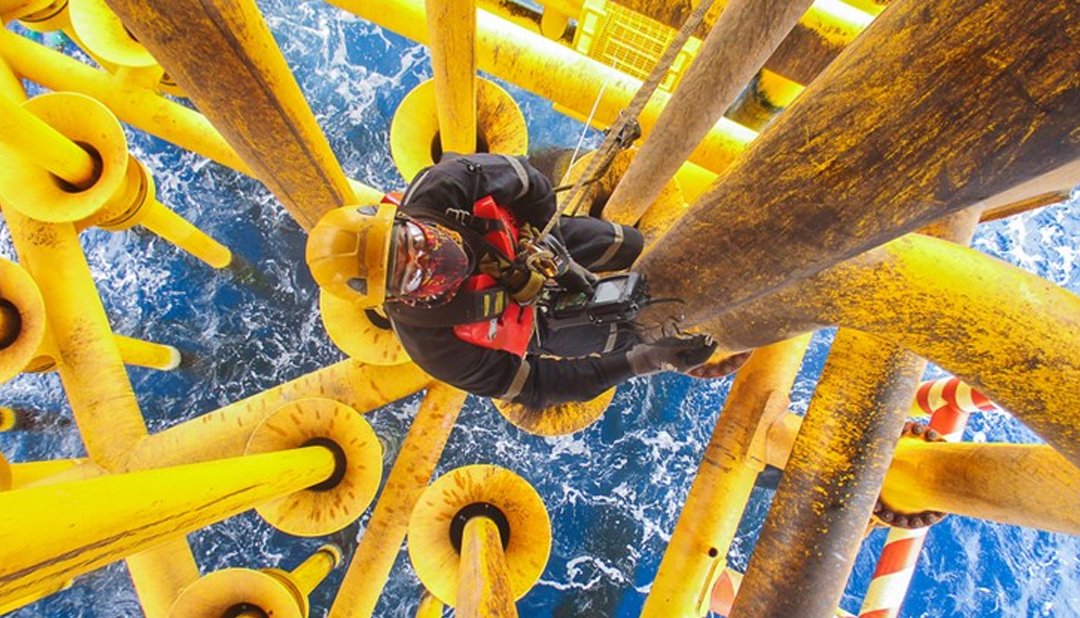
Working At Height Training In North Wales
Working At Height Training Course The Working at Height Regulations 2005 apply to all instances of working at height where there is a risk of a fall liable to cause personal injury. A place of ‘height’ is somewhere that if precautions were not taken, a person could fall a distance liable to cause personal injury.…
Click here for more information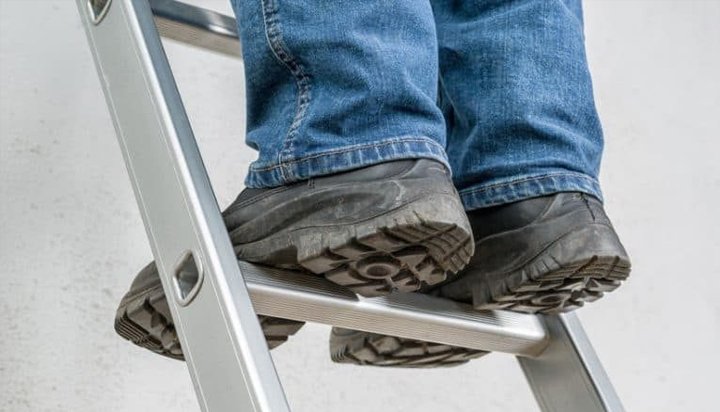
Ladder Training In North Wales
Ladder Safety Training Courses In North Wales The use of ladders is very common within many trades and businesses. However, workers can be at risk of seriously injuring themselves if they do not use the equipment safely and properly. Ladder Safety Training address’ issues raised by the Health and Safety at Work Act 1974 and…
Click here for more information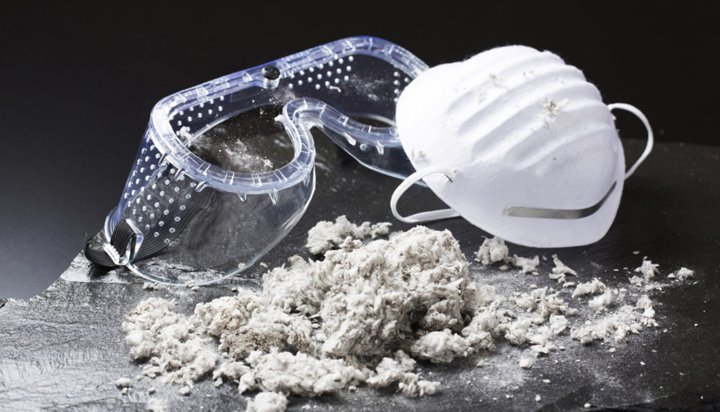
Asbestos Awareness Training In North Wales
Asbestos Awareness Training Course New research conducted by The Health and Safety Executive (HSE) estimates that around 5,000 people die every year in the UK from asbestos caused cancers, which can develop decades after exposure. An estimated 20 tradespeople die each week as a result of previous exposure. What Is Asbestos? Asbestos is a term for…
Click here for more information
Manual Handling Training In North Wales
Manual Handling In North Wales According to the Health and Safety Executive (HSE) manual handling causes over a third of workplace injuries. Manual handling includes lifting, lowering, pushing, pulling and carrying. If these tasks are not carried out correctly then injuries may occur. These injuries can sometimes be serious and can result in having to…
Click here for more information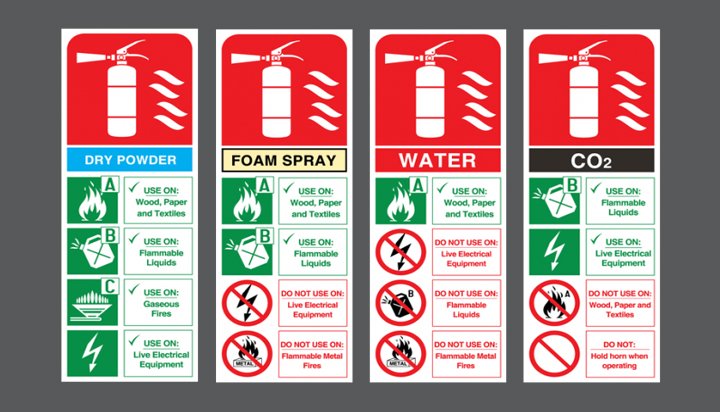
Fire Marshal Training In North Wales
Fire Marshal Course In North Wales Fire safety within the workplace is extremely important. The Regulatory Reform (Fire Safety) Order 2005 states that companies must ensure that staff have been given sufficient fire safety training and that there is a designated fire safety marshal in the workplace. The Role Of The Fire Marshal The role…
Click here for more information
What Is Cold Water Shock?
Cold Water Shock Cold water shock occurs when our bodies are immersed in water that is 15°c or less. Cold water shock causes more deaths than hypothermia. If you are around cold water, wearing a life jacket could save your life. Cold water shock can be lethal and can cause death within minutes. As you…
Click here for more information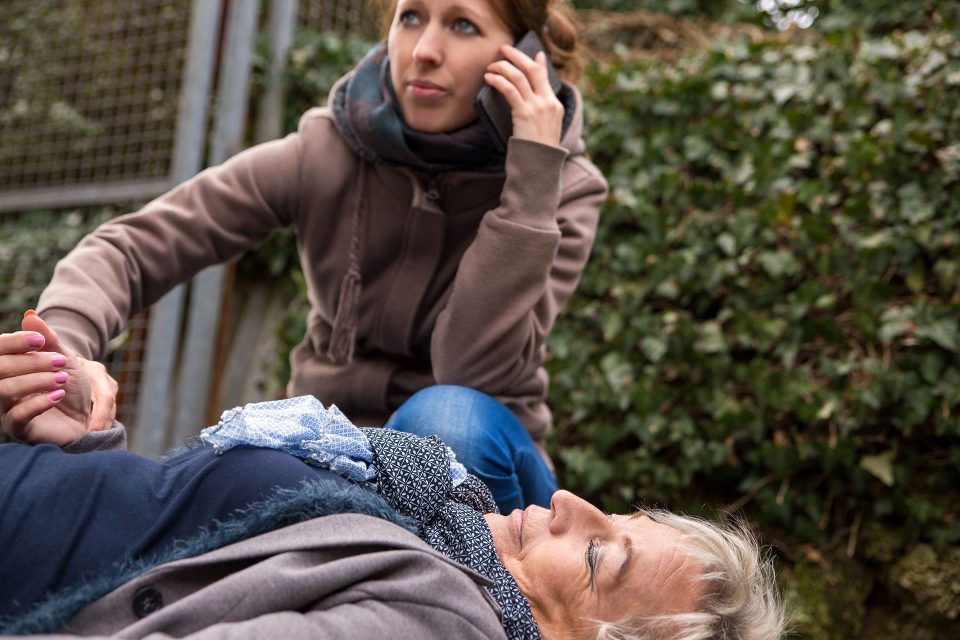
First Aid Acronyms – LIONEL
LIONEL Have you ever had to call the emergency services to report an incident or accident? Though it may seem like something that is quite simple, when faced with an emergency we can often become overwhelmed and panicked and calling 999 can be very daunting. The most important thing to do in this situation is…
Click here for more information
First Aid Acronyms – CLAP
CLAP We can never predict when we may need to use first aid. We could be at home, at work, in the street, or in a public place e.g. shopping centre. If we happen to witness, or stumble upon an accident then we need to act fast. CLAP is a way to think about initial…
Click here for more information
First Aid Acronyms – TIA
Transient Ischemic Attack TIA is an abbreviation used to describe a certain type of stroke. TIA stands for Transient Ischemic Attack. This can also be referred to as a mini stroke. A TIA happens when a temporary blockage occurs within the brain, cutting off the blood supply. The blockage either dissolves or moves, meaning that…
Click here for more information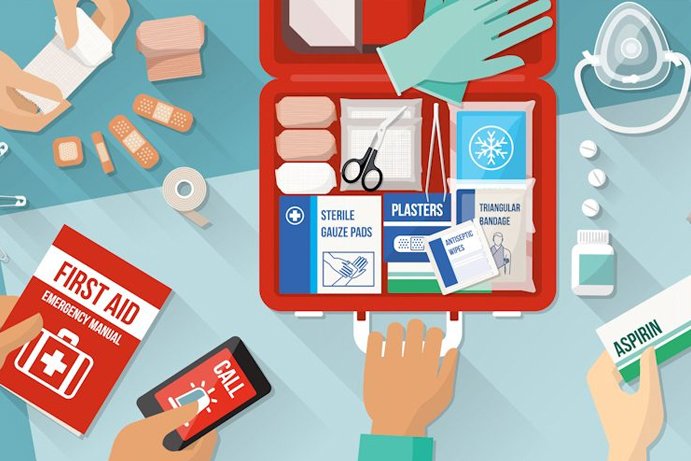
First Aid Acronyms – MIST
First aid is usually performed by family members, friends, and often by strangers. The majority of which do not come from a medical background. In some cases further medical assistance may be required. The acronym MIST is used by first aiders when passing on/handing over information onto the next level of care. MIST can help…
Click here for more information


